Local Law 11 Facade Repair Contractor NYC
We repair the Unsafe and SWARMP conditions in your FISP report on every facade type in New York City, including brick, glazed brick, stone, terra cotta, precast concrete, concrete slab edges, and stucco. Licensed and insured, with 10+ years of NYC facade work, our own sidewalk sheds and scaffolding, and a 24/7 emergency line.



What Local Law 11 Facade Repair in NYC Involves
Local Law 11, now run as the Facade Inspection Safety Program (FISP), requires every New York City building taller than six stories to have its exterior walls inspected every five years by a Qualified Exterior Wall Inspector (QEWI). The inspector files a report with the NYC Department of Buildings (DOB) that rates each condition Safe, Safe With a Repair and Maintenance Program (SWARMP), or Unsafe.
Local Law 11 facade repair is the work that follows that report. Unsafe conditions need a sidewalk shed or other public protection right away and must be corrected within 90 days of filing unless the DOB grants an extension. SWARMP items must be fixed before the next inspection, or they are reported as Unsafe. We are a NYC facade repair contractor, not an inspection firm. We repair each condition listed in your report and give your inspector the records needed to file the amended report.
Identify Your NYC Building Facade Type
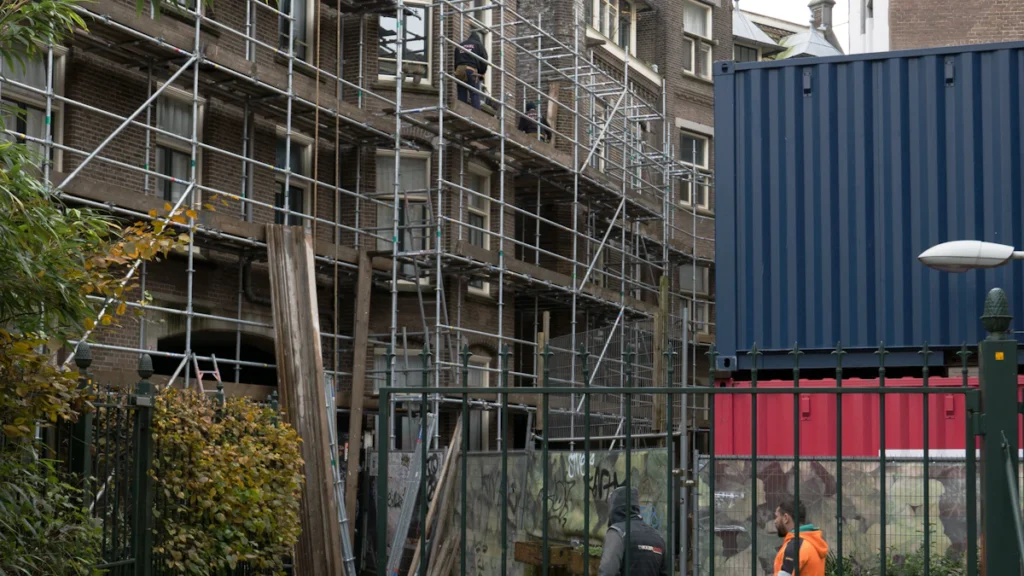
Most NYC buildings over six stories are clad in one of seven materials, and many combine two or three. Find the one that looks like your building to see what Local Law 11 inspections usually flag on it, then open its page to see how we repair it.
How to recognize it
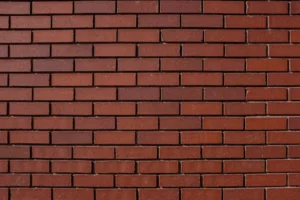
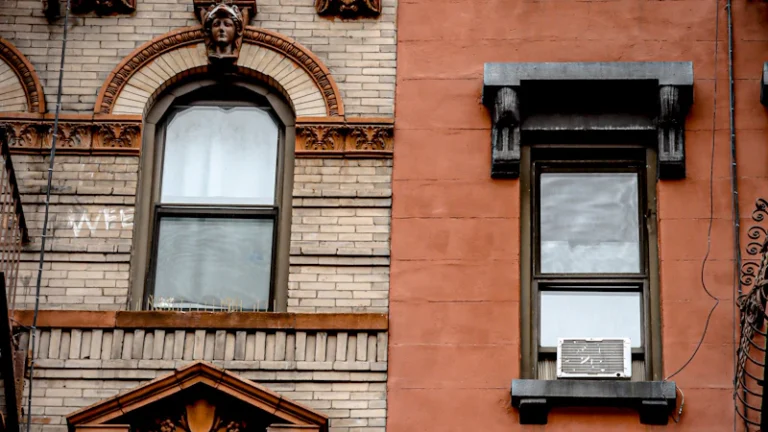
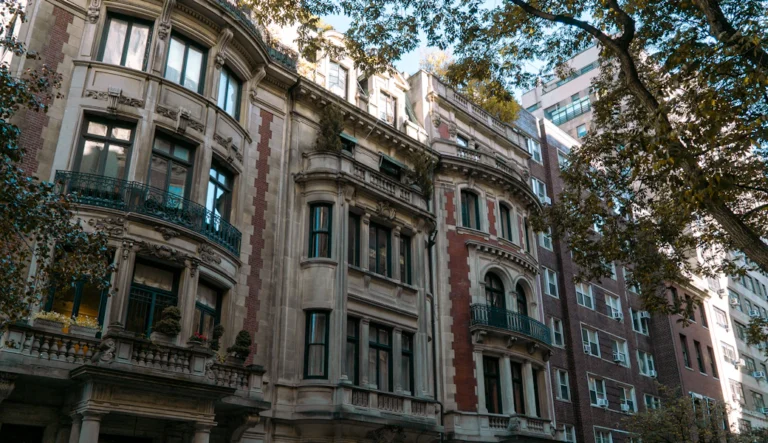
Rectangular clay bricks in red, brown, or buff, laid in mortar joints. The most common facade on prewar NYC apartment buildings.
Common findings
- Open and cracked mortar joints
- Bulging brick at steel lintels and shelf angles
How to recognize it
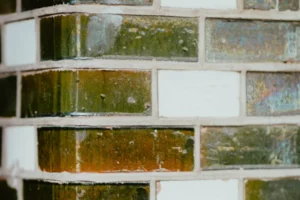
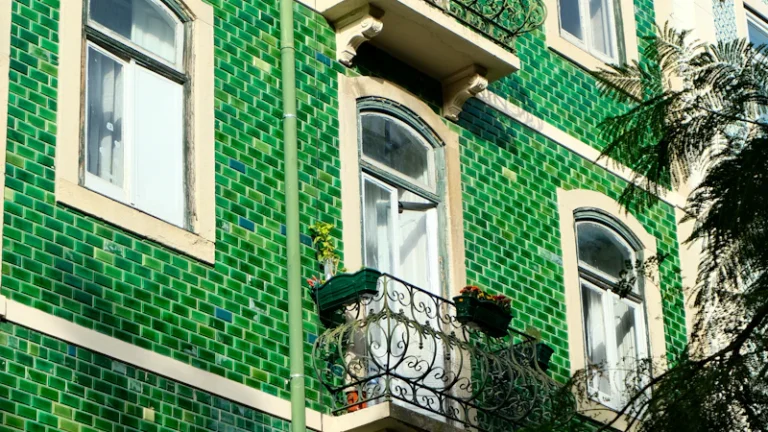
Brick with a glossy, glass-like face, often white, cream, or pale green, common on mid-century apartment towers.
Common findings
- Spalled and peeling glazed faces
- Freeze-thaw cracks from water trapped behind the glaze
How to recognize it
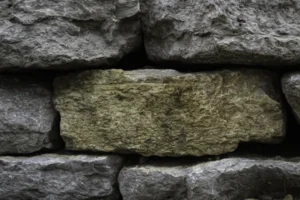
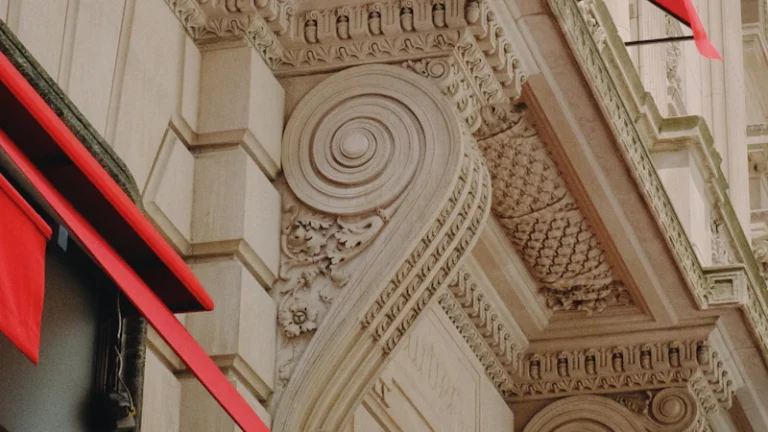
Cut blocks and carved trim in limestone, granite, or brownstone, often at the base, window surrounds, and cornice.
Common findings
- Flaking and delaminating stone faces
- Cracked stone at rusting anchors and dowels
How to recognize it
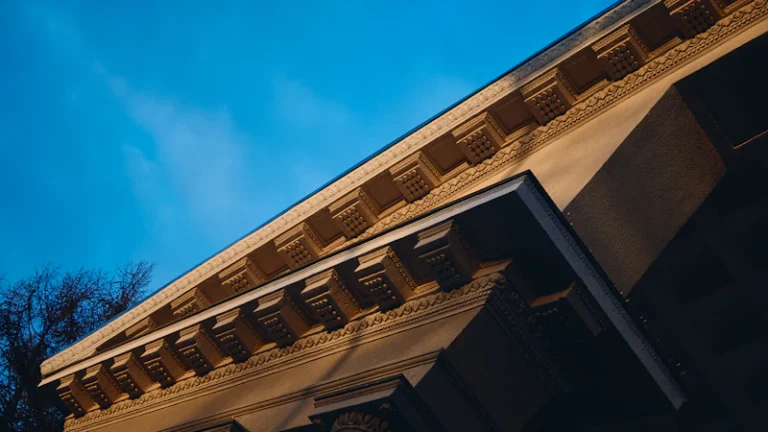
Hollow fired-clay units molded into ornament, cornices, and column covers, usually glazed cream, white, or gray.
Common findings
- Crazed glaze and spalled units
- Cracked pieces over corroding iron anchors
How to recognize it
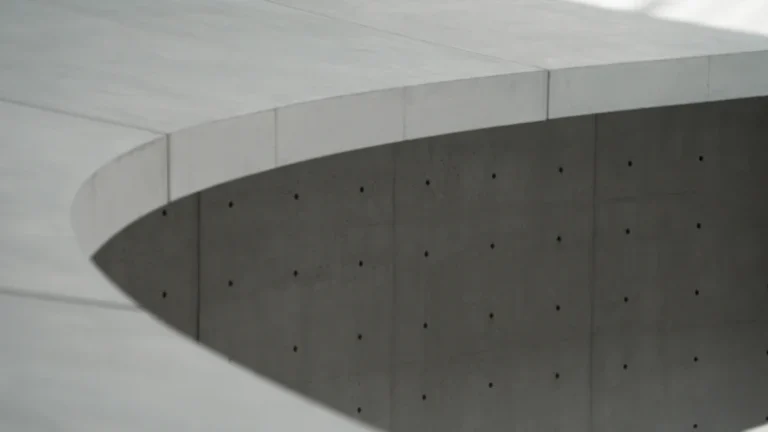
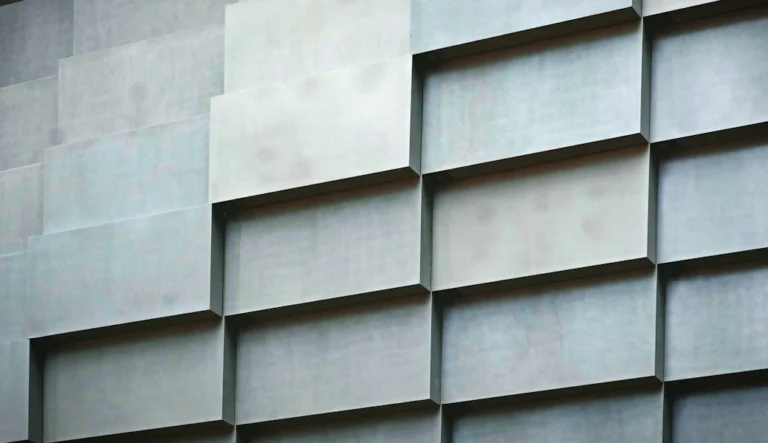
Large factory-made concrete panels with even joints between them, common on buildings from the 1960s onward.
Common findings
- Failed sealant at panel joints
- Cracks and spalls around corroded connections
How to recognize it
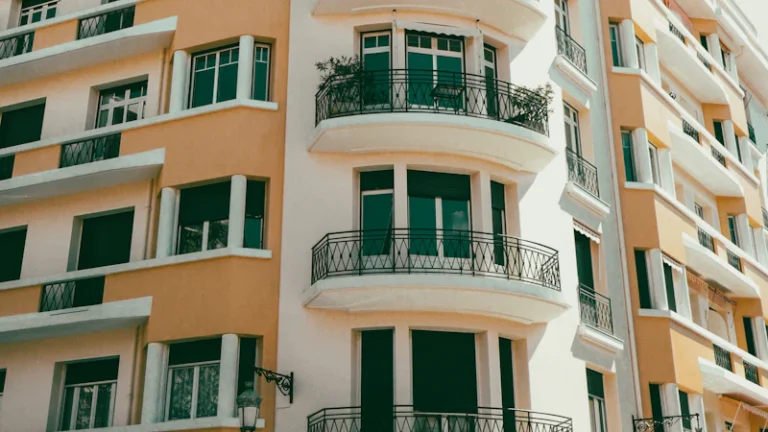
Exposed edges of concrete floor slabs and balconies that show as horizontal bands between window rows.
Common findings
- Spalled concrete over rusting rebar
- Cracked balcony edges and loose railing posts
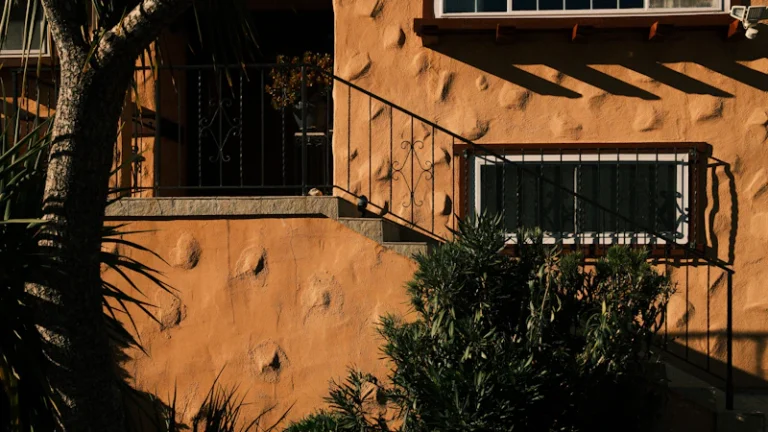
How to recognize it
A continuous plaster-like finish with no brick joints. Traditional stucco is hard cement plaster; EIFS sounds hollow and feels softer.
Common findings
- Cracks and bulges that let water in
- Delaminated stucco and wet EIFS sections
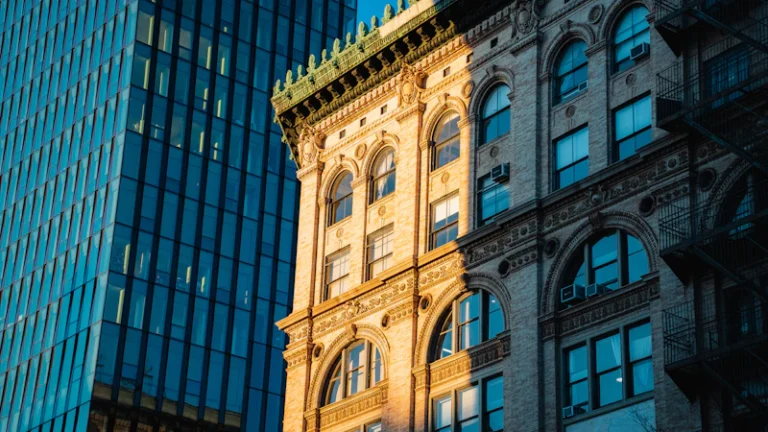
Mixed facades
Many NYC buildings mix materials, such as a brick wall with stone trim, a terra cotta cornice, and concrete balconies.
What to do
- Send your FISP report and a few photos
- We identify each material and its repairs
Common NYC Local Law 11 Findings by Facade Type
This table shows which conditions Local Law 11 inspections most often report on each facade type in New York City. A check mark means the finding is common on that material. Your own FISP report decides what has to be repaired on your building.
| Facade Type | Cracking | Spalling | Loose Units | Corroded Steel | Failed Joints |
|---|---|---|---|---|---|
|
✓ |
✓ |
✓ |
✓ |
✓ |
|
|
✓ |
✓ |
✓ |
○ |
✓ |
|
|
✓ |
✓ |
✓ |
✓ |
○ |
|
|
✓ |
✓ |
✓ |
✓ |
○ |
|
|
✓ |
✓ |
○ |
✓ |
✓ |
|
|
✓ |
✓ |
○ |
✓ |
○ |
|
|
✓ |
○ |
✓ |
○ |
✓ |
Loose units means brick, stone, or terra cotta pieces that have shifted or detached. Corroded steel covers lintels, shelf angles, anchors, ties, and rebar. Failed joints covers mortar and sealant joints.
Why NYC Building Facades Age Differently
Water Getting Into the Facade
Water is behind most facade damage in NYC. Brick and stone absorb it through open mortar joints, glazed brick and terra cotta trap it behind their glaze, and cracked stucco holds it against the wall. Once water gets in, every other problem speeds up.
NYC Freeze and Thaw Cycles
New York winters bring many freeze-thaw cycles. Trapped water freezes, expands, and pops off brick faces, glaze, and stone layers, while precast panels and slab edges crack as the building moves between hot summers and cold winters.
Rusting Steel Inside the Wall
Older facades hide steel lintels, shelf angles, ties, and anchors. Rust takes up far more space than the steel it replaces, so it cracks brick, stone, and terra cotta from the inside and spalls concrete over corroded rebar.
Matching Original Materials on NYC Facade Repairs
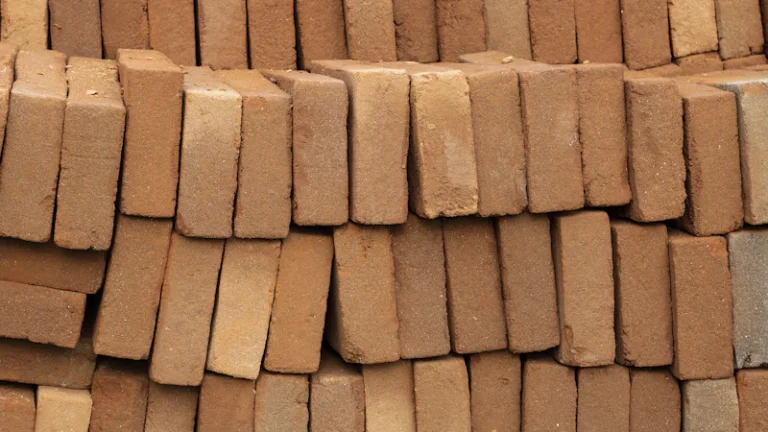
A good Local Law 11 repair is hard to spot from the sidewalk. Before we replace anything, we record the existing brick size and color, the mortar color and joint profile, the stone type and finish, the terra cotta glaze, and the stucco texture.
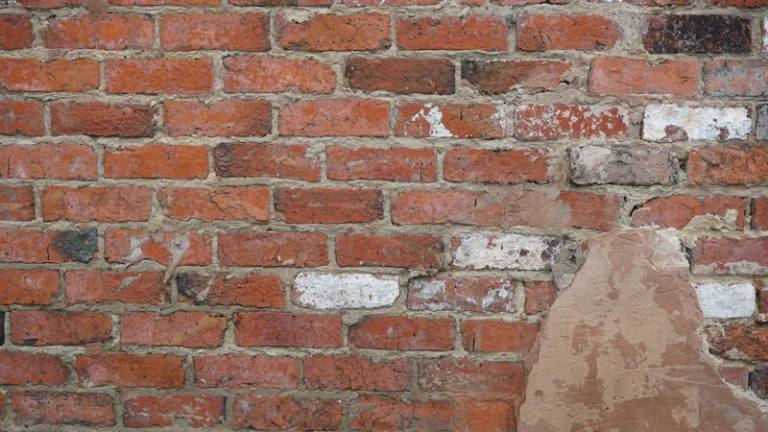
Replacement brick, stone, terra cotta units, mortar, and patching materials are then chosen to match, so the repaired areas blend in instead of showing up as patches like the ones in the photo. On landmarked buildings, careful matching also supports the Landmarks Preservation Commission (LPC) approval the work needs.
Our Local Law 11 Facade Repair Process in NYC
Send Your FISP Report for Review
Send your Local Law 11 report, any DOB violations, and a few photos. We review every listed condition at no cost.
Site Visit and Repair Scope
We look at the conditions in person and send a written scope tied to each item in the report, with Unsafe items and deadlines first.
DOB Permits, Sidewalk Sheds, and Scaffolding
We file the DOB work permits and put up our own sidewalk sheds and scaffolding, so you are not waiting on a rental company.
Facade Repairs Matched to Your Building
Our crews repair each condition with materials matched to your brick, stone, terra cotta, concrete, or stucco.
Records for the Amended FISP Report
We give your inspector dated photos and repair records so they can review the work and file the amended report.
One NYC Facade Repair Contractor for Every Facade
One NYC contractor for brick, glazed brick, stone, terra cotta, precast concrete, slab edges, and stucco, so a mixed facade is repaired under one contract and one schedule.
Licensed Partner Inspectors for Local Law 11 NYC
Local Law 11 inspections are performed by licensed partner inspectors, who are New York State licensed Professional Engineers and Registered Architects qualified as QEWIs with the DOB. We do not inspect buildings or file FISP reports ourselves.
We handle the repairs. If you do not have an inspector yet, we can connect you with a licensed partner inspector, and once the work is done, your inspector reviews it and files the amended report.
Licensed QEWI Inspections
Your inspection, technical report, and DOB filing are done by a licensed partner inspector.
Facade Repairs by Our Crews
We repair the Unsafe and SWARMP conditions your report lists, on every facade type.
Amended Report Support
We document the finished work so your inspector can review it and file the amended report.
NYC Facade Types We Work On
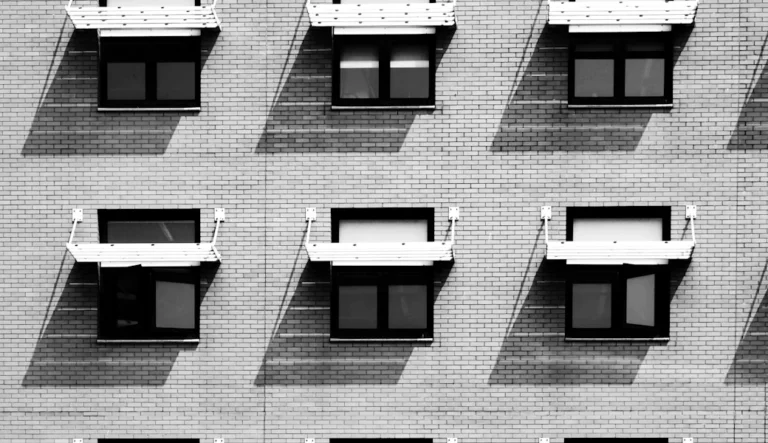
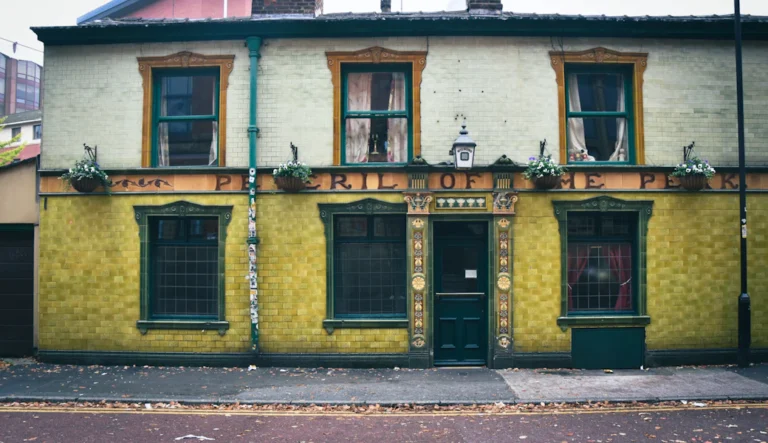
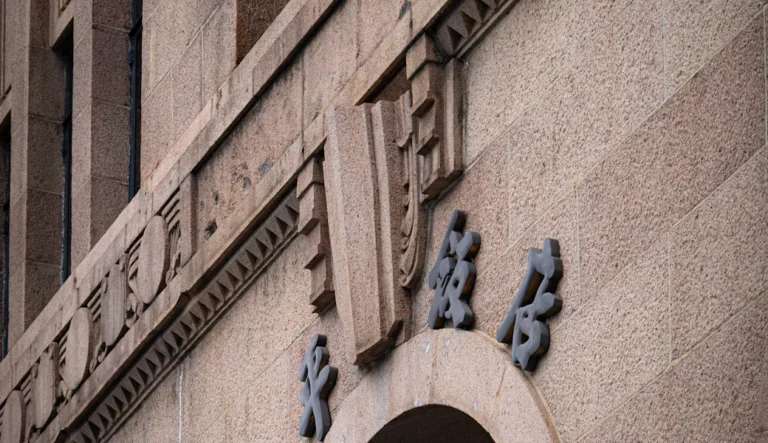
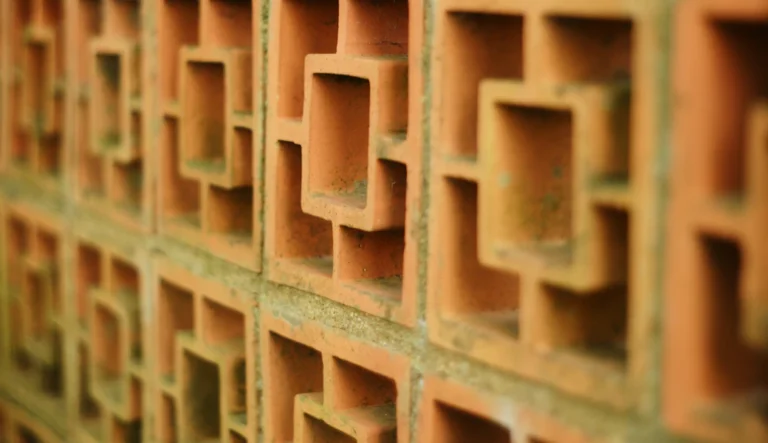
These are the facade types our crews repair across New York City. The photos show examples of each material, not specific client projects.

Local Law 11 Facade Repair Across NYC
We handle Local Law 11 facade repair for buildings across New York City, in Manhattan, Brooklyn, Queens, and the Bronx. Staten Island is outside our current service area.
Local Law 11 Facade Repair NYC FAQs
It is the repair work that follows a Local Law 11 inspection, also called FISP. Buildings taller than six stories in New York City get their facades inspected every five years, and the inspector reports each condition as Safe, SWARMP, or Unsafe. Facade repair corrects the Unsafe and SWARMP conditions so the inspector can file an amended report with the DOB.
Unsafe conditions need public protection, such as a sidewalk shed, right away. The DOB then expects the repairs within 90 days of the report filing. If the repairs and amended report cannot be finished in time, the owner has to request an extension. Missed deadlines lead to DOB violations and monthly penalties, so we schedule Unsafe items first.
SWARMP means Safe With a Repair and Maintenance Program. The condition is safe today but needs repair before the next inspection. If it is not fixed by then, the next report has to list it as Unsafe, which brings sidewalk sheds and tighter deadlines. Repairing SWARMP items early usually costs less than waiting.
No. Inspections and FISP reports are done by licensed partner inspectors, who are New York State licensed Professional Engineers or Registered Architects qualified as QEWIs. We are the repair contractor. We can connect you with a licensed partner inspector if you need one.
We repair brick masonry, glazed brick, limestone, granite, and brownstone, terra cotta, precast concrete panels, concrete slab edges and balconies, and stucco and EIFS. Many buildings mix several of these, and we repair all of them under one contract.
Yes. We own our sidewalk sheds and scaffolding, so we can protect the sidewalk and reach the facade without waiting on a rental company. We also rent sidewalk sheds and scaffolding to owners and other contractors.
Yes. Our 24/7 emergency line is (917) 355-8556. For falling debris, loose units, or a DOB emergency notice, we respond the same day to make the area safe and plan the permanent repair.
Send us your FISP report, any DOB notices, and a few photos of the facade. We review every listed condition and send a free estimate with a repair scope tied to your report.
That is the goal on every job. We match brick size and color, mortar color and joint profile, stone type and finish, terra cotta glaze, and stucco texture, so repaired areas blend in with the original facade.
We work on buildings in Manhattan, Brooklyn, Queens, and the Bronx. Staten Island is outside our current service area.
Send Your FISP Report for a Free Review
Share your Local Law 11 report, DOB notice, or a few photos of the facade. We review every listed condition and reply with a repair scope for your building. For falling debris or another emergency, call our 24/7 line.