Precast Concrete Panel Repair NYC
Precast panels look solid, but they depend on sealant joints and hidden steel connections. We replace failed joints, repair cracks and spalls, and check the connections that hold each panel to the building.
How to Recognize a Precast Concrete Panel Facade NYC
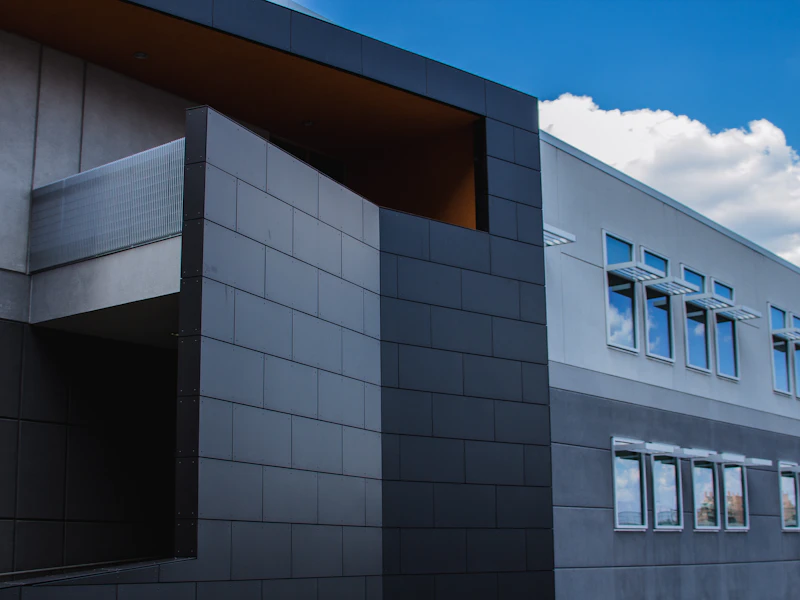
Precast concrete panels became common on NYC buildings from the 1960s onward. They are cast in a plant and hung on the building frame.
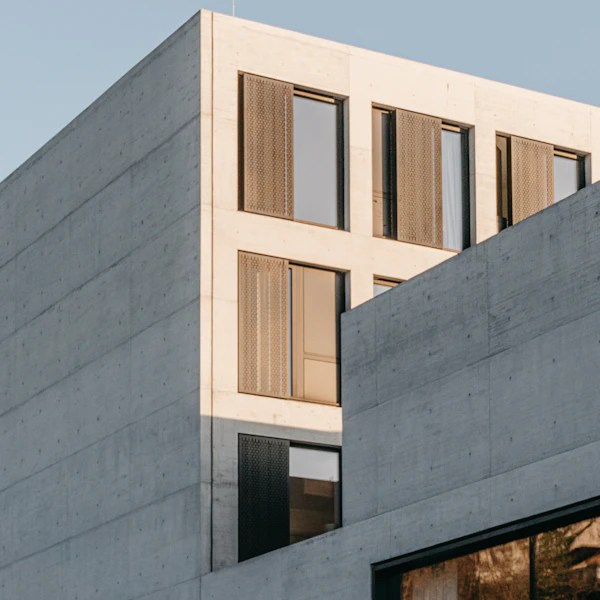
Large Repeating Panels
The facade is made of big identical panels, often a full story tall.
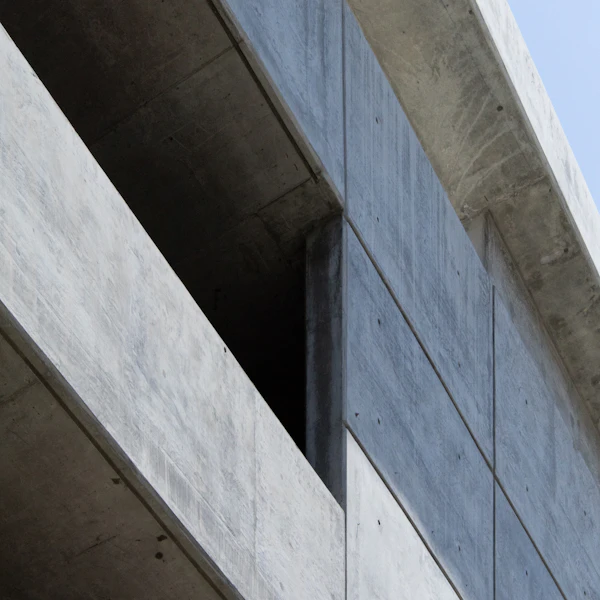
Wide Caulked Joints
Panels are separated by straight joints filled with flexible sealant instead of mortar.
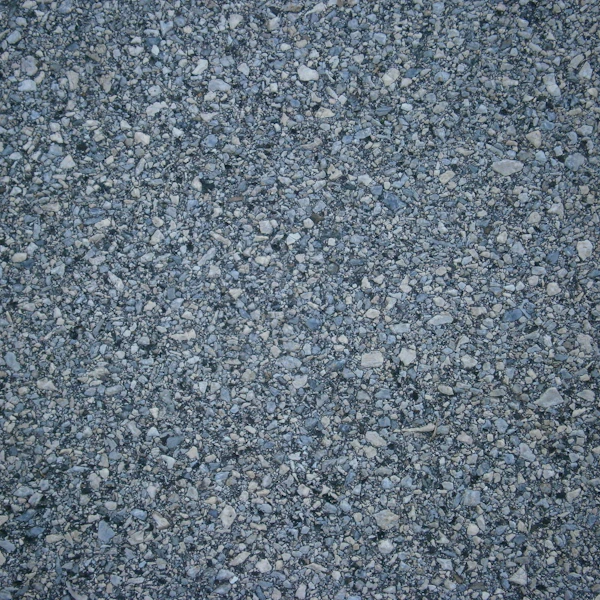
Exposed Aggregate or Smooth Finish
The surface may show small stones in the concrete or have a smooth or ribbed finish.
New York City Precast Panel Repair Under Local Law 11 Explained
Precast concrete panel repair covers the joint, crack, spall, and connection conditions a Local Law 11 report lists for a panel facade. Panels are bolted or welded to the frame with steel clips. If water gets past failed sealant, those clips and the rebar inside the panel start to rust.
Joint sealant usually wears out first, so many panel facades get SWARMP findings for sealant long before any concrete fails. Rusting connections and spalls that expose rebar are more serious and are often rated Unsafe.
Common Local Law 11 Findings on Precast Panels
Hard, cracked, or pulled away joint sealant between panels.
Hairline and through cracks in the panel face.
Spalled concrete exposing rusted rebar at edges and corners.
Corroded or broken panel connections.
Panels shifted out of line with their neighbors.
Inside a NYC Precast Concrete Panel Facade
A precast facade is a set of panels hung on the frame with space behind them. The joints keep water out and the connections keep the panels in place.
- Precast Concrete PanelThe reinforced concrete panel you see from the street.
- Joint Sealant and Backer RodFlexible sealant over foam rod that seals the gap between panels.
- Reinforcing SteelRebar and mesh inside the panel that rusts if cover is thin.
- Steel Connection ClipBolted or welded clips that carry the panel and tie it back.
- Building FrameThe steel or concrete frame that supports every panel.
How We Repair Precast Concrete Panels in NYC
Precast repairs focus on keeping water out and keeping each panel firmly attached.
Panel Joint Resealing
Old sealant is cut out, joints are cleaned and primed, and new backer rod and sealant go in.
Crack Injection
Structural cracks are injected with epoxy, and moving cracks are routed and sealed.
Spall and Rebar Repair
Loose concrete is removed, rebar is cleaned and treated, and the area is rebuilt.
Connection Repairs
We open test areas, inspect the clips, and add new stainless steel anchors where needed.
How Precast Panels Connect to New York City Buildings
Each panel hangs on a few steel connections. This diagram shows the four connection points on a typical story high panel.
- Bearing ConnectionsTwo clips near the bottom that carry the panel weight onto the floor slab.
- Tie Back ConnectionsClips near the top that hold the panel against wind and keep it in plane.
- Panel JointsSealed gaps around each panel that let it move without cracking.
- Floor Slab EdgeThe concrete edge or steel beam that the connections are fixed to.
Matching Precast Finish and Sealant Color NYC
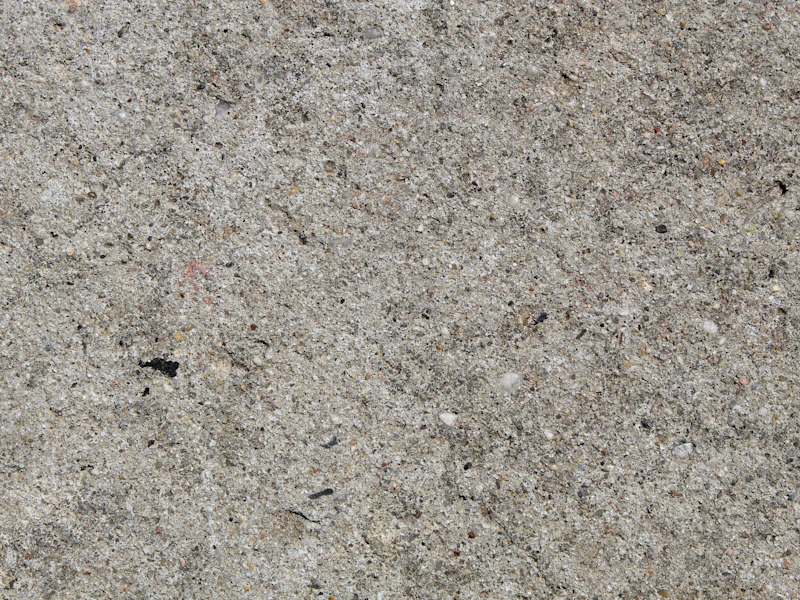
Patches on precast panels must match the surface finish, whether it is smooth, sandblasted, or exposed aggregate. We prepare trial patches to match color and texture, and choose sealant colors that blend with the panel instead of standing out as dark lines.
Access for Precast Panel Facade Repairs NYC
Panel facades are often tall, so we plan access around the joints and connections that need work.
Sidewalk Shed Protection
Our own sheds protect the sidewalk when panels or spalls are rated Unsafe.
Scaffolding We Own
We set scaffolding where crews need to reach joints and connections.
Test Openings
Small openings let us see connection condition before full repairs are priced.
Send Your Precast Panel Inspection Report
Share your FISP report and photos of the panels. We review each condition and send a free repair scope.
What Affects the Cost of Precast Panel Repair in NYC
Precast repair scope depends on how much of the building the joints and connections touch.
- Total linear feet of joint sealant to replace
- Number of cracks and spalls on the panels
- How many connections need opening and repair
- Building height and access method
- Matching special finishes like exposed aggregate
Precast Concrete Panel Repair NYC FAQs
Most sealants on NYC facades last about 10 to 20 years depending on sun exposure and movement. Hard, cracked, or pulled away sealant is a common SWARMP finding.
Cracks come from rusting rebar near the surface, corroded connections, and panels that are restrained from moving with temperature.
Yes. We cut small inspection openings at joints or interior finishes to look at the clips and anchors, then close them after review.
A panel that has moved out of line may have a failed connection. It is usually rated Unsafe and needs protection right away.
Yes. A breathable coating can even out the color of patches and add water protection, if your engineer approves it.
Yes. We work on precast facades across New York City and plan access to suit the height of the building.
Other NYC Facade Types We Repair
Repointing, lintels, shelf angles, and wall ties.
Spalled glazed units and trapped moisture.
Limestone, brownstone, and granite repairs.
Cracked units, rusted anchors, and cornices.
Spalls, rebar, balconies, and railing posts.
Cracked, bulging, or wet stucco and EIFS.