
Glazed Brick Facade Repair NYC
White and pale glazed brick looks clean for decades, then starts popping its glossy face off in winter. We replace spalled glazed units, find where the water is getting in, and repair the wall so the damage stops spreading.
How to Spot a Glazed Brick Facade on a NYC Building
Glazed brick was popular on mid century apartment towers and older buildings with light courts. It behaves very differently from regular brick, so it helps to know you have it.
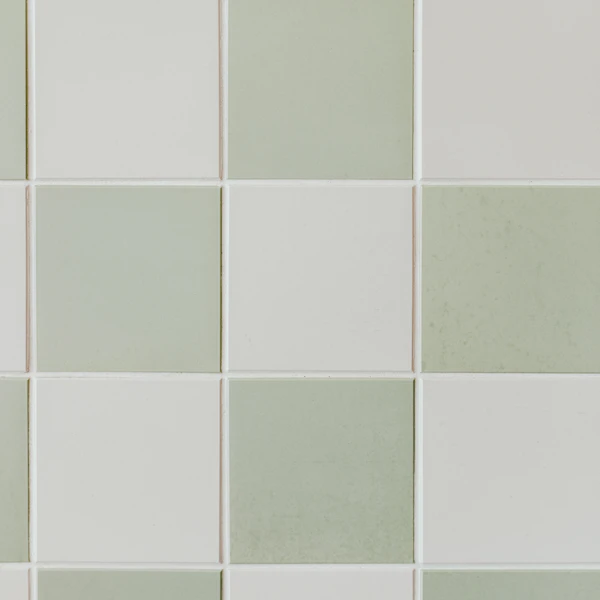
A Shiny, Glass Like Surface
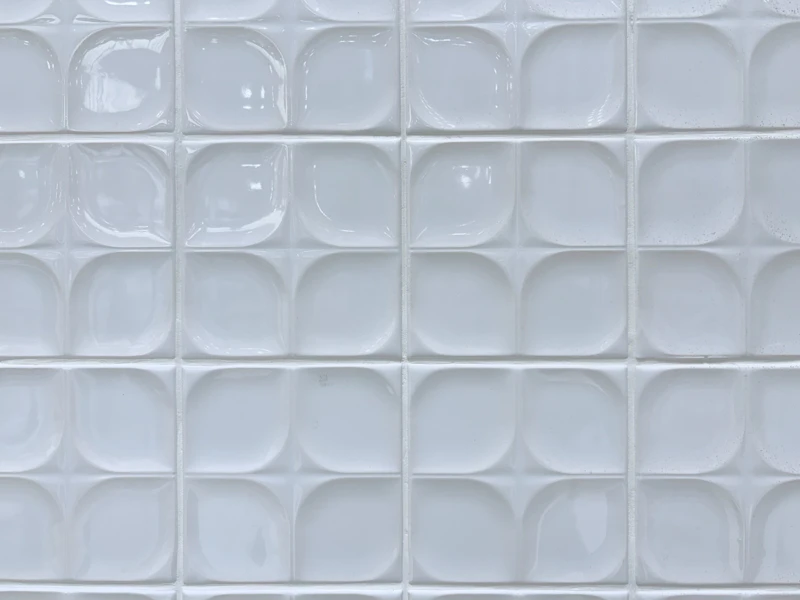
The face of each brick reflects light like tile. Common colors are white, cream, pale green, and light blue.
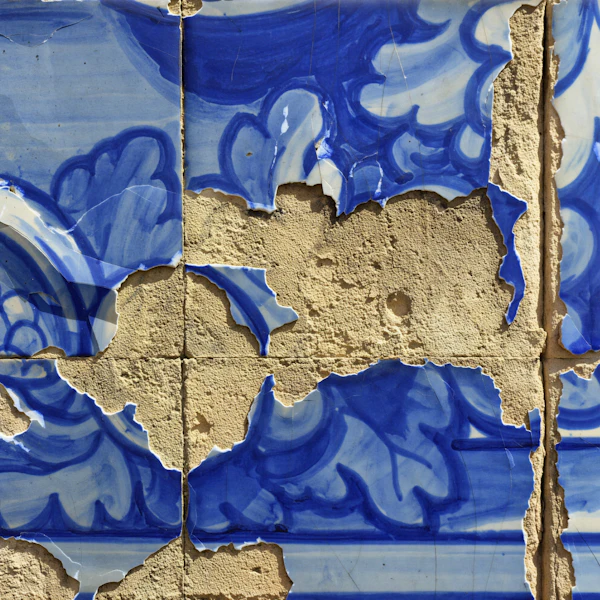
Raw Clay Where the Glaze Is Gone
Where a unit has spalled, you see dull red or tan clay under a broken glossy skin.
Stains at Joints and Window Corners
Brown streaks and white salt deposits gather at joints because water cannot leave through the glazed face.
Glazed Brick Repair Under Local Law 11 New York City Explained
Glazed brick facade repair fixes the spalled, cracked, and loose glazed units that a Local Law 11 inspection reports. The glaze acts like a coat of glass, so water that gets behind it through joints, copings, or window perimeters cannot dry out through the face. In freezing weather that trapped water expands and pops the glaze off.
Replacing broken units alone does not solve the problem. A lasting glazed brick repair also closes the water source, which is usually failed mortar, a leaking parapet, or missing flashing. Unsafe glazed brick conditions follow the same 90 day deadline as any other Unsafe condition in New York City.
Common Local Law 11 NYC Findings on Glazed Brick Facades
Fine crazing in the glaze that lets small amounts of water in.
Spalled glazed faces that expose the clay body of the brick.
Open or cracked mortar joints between glazed units.
Loose glazed units at parapets, corners, and window heads.
Areas that sound hollow when tapped, a sign the face is about to let go.
Inside a NYC Glazed Brick Wall
A glazed brick wall is built like a regular brick wall, but its outer skin barely breathes. Water has to leave through the mortar joints, so the joints and flashing matter more here than anywhere else.
- Glazed FaceA thin, fired glass coating on the outer face of each brick.
- Clay Brick BodyThe porous clay behind the glaze that soaks up any water that gets in.
- Mortar JointsThe only path for trapped moisture to escape, so they must stay sound.
- Through Wall FlashingA membrane at floor lines and openings that sends water back out of the wall.
- Backup MasonryThe inner wall that supports the glazed brick and stays wet when flashing fails.
How We Repair Glazed Brick Facades in NYC
Glazed brick repairs combine careful unit replacement with work that keeps water out of the wall from now on.
Glazed Unit Replacement
We cut out spalled units without damaging their neighbors and set new glazed brick in matched mortar.
Custom Glaze Matching
Replacement units are matched to your glaze color and sheen, with custom runs ordered when stock colors miss.
Repointing Glazed Brick
Joints are cut out and repointed with a mortar that lets the wall dry through the joints.
Water Source Repairs
We fix the parapet, coping, flashing, or window perimeter that let the water in.
Why Glazed Brick Fails on New York City Buildings
Glazed brick damage follows a chain. Each step below leads to the next, and a repair has to break the chain early to last.
Step 1. Water Gets Behind the Glaze
Rain enters through worn mortar, cracked copings, leaking parapets, or failed caulk at windows.
Step 2. The Glaze Traps the Moisture
The glossy face blocks evaporation, so the clay body stays wet for weeks instead of drying in days.
Step 3. Winter Freezes the Water
NYC sees many freeze and thaw cycles a year. Each freeze expands the trapped water inside the brick.
Step 4. The Face Pops Off
The glaze and a layer of clay break away. Once spalling starts, water gets in even faster.
Matching Glaze Color and Sheen on NYC Repairs
Glazed brick is unforgiving because color and gloss show from the street. We compare sample units under daylight, check size and edge shape, and order custom glazed brick when no stock unit is close. Mortar color is matched as well, since bright white glazed walls make a gray joint stand out.
Safe Access for Glazed Brick Facade Repairs NYC
Loose glazed units can fall without warning, so protection goes up first and stays until the last unit is set.
Sidewalk Sheds on Day One
We put up our own sheds as soon as loose glazed brick is reported.
Scaffolding at Light Courts
Our scaffolding reaches tight light courts and rear walls where glazed brick is common.
Hand Removal of Loose Units
Crews remove hazardous units by hand right away so the wall is safe while repairs are planned.
Send Your Glazed Brick Inspection Report
Share your FISP report and photos of the glazed brick. We review the listed units and reply with a free repair scope.
What Affects the Cost of Glazed Brick Repair in NYC
Glazed brick costs depend on how far the damage has spread and how hard your glaze is to match.
- Number of spalled units that need replacement
- Stock glaze color or a custom glazed brick order
- How much of the wall needs repointing
- Parapet, coping, or flashing repairs at the water source
- Access at light courts, setbacks, and rear walls
NYC Glazed Brick Facade Repair FAQs
Water is getting behind the glaze and freezing. Glazed brick cannot dry through its face, so moisture from joints, parapets, or windows builds up inside the brick and pushes the glaze off during cold weather.
Small chips can be patched with a coating, but patches rarely match the gloss and often fail in a few winters. For Local Law 11 work, spalled glazed units are usually cut out and replaced.
Usually not. A sealer on glazed brick traps even more water inside the wall. The better fix is repointing and stopping the water source so the wall can dry through its joints.
We bring sample units to suppliers and compare color, sheen, and size. If nothing in stock matches, a custom run of glazed brick is fired to match your sample.
Glazed units tend to fail suddenly once the face is loose, so inspectors often list them as Unsafe. Catching crazing and open joints while they are still SWARMP items keeps repairs smaller.
It is common on postwar apartment towers in Manhattan and Queens and on light courts and rear walls of older buildings across the city.
Other NYC Facade Types We Repair
Repointing, lintels, shelf angles, and wall ties.
Limestone, brownstone, and granite repairs.
Cracked units, rusted anchors, and cornices.
Panel joints, cracks, and hidden connections.
Spalls, rebar, balconies, and railing posts.
Cracked, bulging, or wet stucco and EIFS.