
Stucco Facade Repair NYC
Cracked, bulging, or hollow stucco lets water into the wall behind it. We repair traditional cement stucco and EIFS, rebuild damaged sections to match the existing texture, and reseal the edges where water gets in.
How to Identify a Stucco or EIFS Facade in NYC
Stucco and EIFS both give a smooth, seamless look with no brick joints. Telling them apart matters because they are repaired in very different ways.
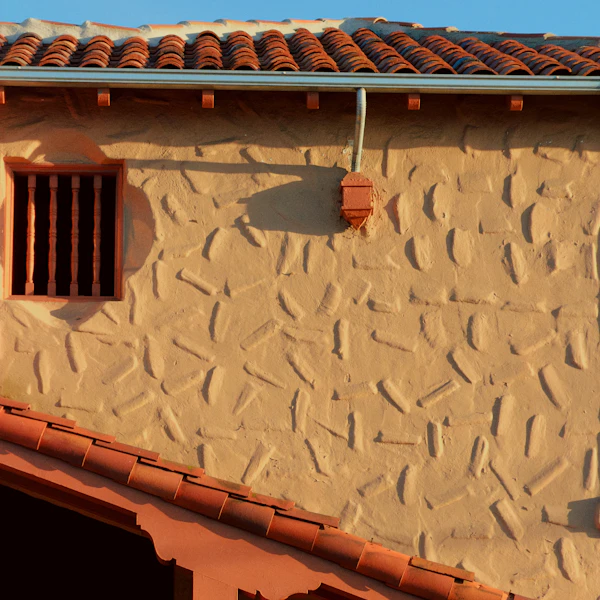
No Visible Masonry Joints
The wall shows one continuous plaster like surface, often with a sand or swirl texture.
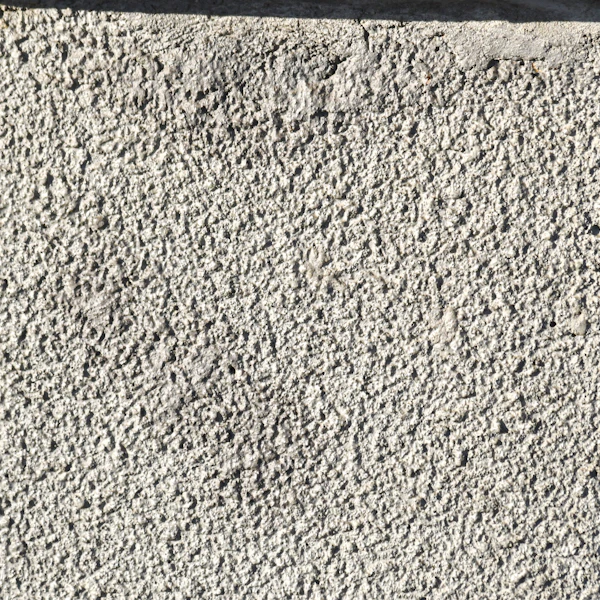
Hard and Cold to the Touch
Traditional stucco is a dense cement layer that feels like stone when you press or knock on it.
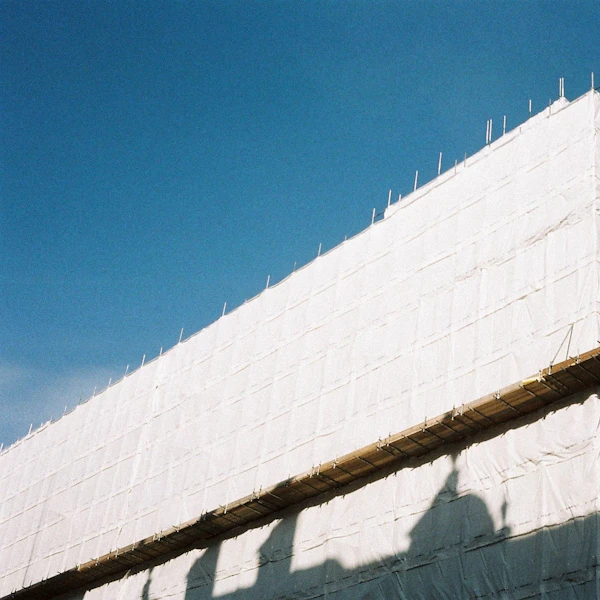
Soft and Hollow Sounding
EIFS has foam insulation behind a thin coat, so it sounds hollow and dents with pressure.
NYC Stucco and EIFS Repair Under Local Law 11 Explained
Stucco facade repair fixes the cracking, bulging, delamination, and water damage that a Local Law 11 report lists for stucco or EIFS walls. Traditional stucco is a cement plaster applied in coats over masonry or metal lath. EIFS is a layered system of foam insulation, mesh, and a thin finish coat.
Loose stucco can fall in large sheets, so bulging or hollow areas are often rated Unsafe. Repair starts by finding every unsound area, removing it back to solid material, and correcting the water entry that caused it.
Common Local Law 11 Findings on Stucco and EIFS
Fine map cracking in the finish coat.
Wide cracks at window corners and floor lines.
Failed sealant where stucco meets windows and trim.
Bulging or hollow stucco pulling away from the wall.
Wet or damaged EIFS sections with soft insulation behind.
Inside a Stucco Facade Wall NYC
Stucco is built up in thin layers. When one layer lets go of the next, the wall starts to bulge and can drop in sheets.
- Finish CoatThe thin textured top layer that sets the color and look.
- Brown CoatThe leveling layer that gives the stucco its thickness.
- Scratch CoatThe first coat, scored so the next layer can grip it.
- Metal Lath or Masonry BaseThe surface the stucco is keyed into or bonded to.
- Backup WallThe masonry or framed wall that carries the stucco.
How We Repair Stucco and EIFS Facades in NYC
We match the repair to the system, since stucco and EIFS fail and heal differently.
Sounding and Mapping
Every area is tapped and marked so hidden hollow stucco is found before it falls.
Delaminated Stucco Removal
Loose stucco is removed back to sound edges, and rusted lath is replaced.
Stucco Rebuild and Texture Match
New scratch, brown, and finish coats are applied and textured to match.
EIFS Section Replacement
Wet or damaged EIFS is cut out and rebuilt with new board, mesh, and finish.
Stucco vs EIFS on NYC Buildings
Both systems look alike from the sidewalk. These four differences decide how each one is repaired.
Traditional Cement Stucco
A hard cement plaster about an inch thick, applied in three coats over masonry or metal lath.
EIFS Synthetic Stucco
An exterior insulation and finish system with foam board, reinforcing mesh, and a thin acrylic finish.
How Each One Fails
Stucco cracks and delaminates from its base. EIFS lets water in at joints and edges, and the foam stays wet.
How Each One Is Repaired
Stucco is rebuilt in coats. EIFS sections are cut out and replaced as a full system layer by layer.
Matching Stucco Texture and Color
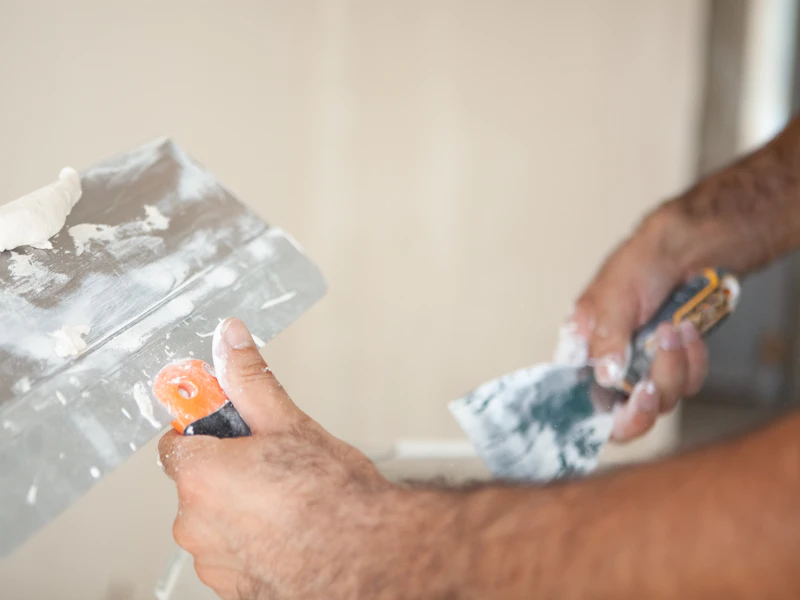
Stucco patches stand out when texture or color is off. We make sample patches beside the existing wall, matching sand size, trowel pattern, and color before applying the final coat. When patches are many, a finish coat or coating over the full wall gives an even result.

Access and Protection for Stucco Facade Repairs NYC
Hollow stucco can let go in large sections, so the sidewalk is protected before any sounding begins.
Sidewalk Shed Protection
Our own sheds go up when bulging or hollow stucco is reported.
Scaffolding We Own
Our scaffolding gives crews full reach for sounding and rebuilding each area.
DOB Work Permits
We file the permits needed for the repair and the protection.
Send Your Stucco Facade Inspection Report
Share the FISP report and photos of the stucco or EIFS. We check each listed area and reply with a free repair scope.
What Affects the Cost of Stucco Repair in NYC
Stucco and EIFS repairs scale with how much of the wall is unsound once it is tapped.
- Square feet of hollow or delaminated stucco
- Stucco or EIFS system and layer count
- Metal lath or EIFS board that must be replaced
- Texture and color matching across large walls
- Sealant at windows, trim, and joints
NYC Stucco and EIFS Facade Repair FAQs
Knock on the wall. Traditional stucco sounds solid and feels hard. EIFS sounds hollow and gives a little when pressed because there is foam insulation behind the finish.
Water has gotten behind the stucco, or the lath holding it has rusted, so the stucco has lost its bond and is pulling away from the wall. Bulging stucco should be protected and removed quickly.
Hairline cracks can be filled and coated. Wide or moving cracks, and any crack with hollow stucco around it, need the area opened and rebuilt.
Yes, EIFS is used on many NYC buildings. Damaged sections are replaced with matching EIFS components, and repairs follow the system maker's details.
We match texture and color with sample patches. On walls with many repairs, a finish coat over the full elevation gives the most even look.
Yes. We repair stucco and EIFS facades on buildings in Manhattan, Brooklyn, Queens, and the Bronx.
Other NYC Facade Types We Repair
Repointing, lintels, shelf angles, and wall ties.
Spalled glazed units and trapped moisture.
Limestone, brownstone, and granite repairs.
Cracked units, rusted anchors, and cornices.
Panel joints, cracks, and hidden connections.
Spalls, rebar, balconies, and railing posts.