
Terra Cotta Facade Repair NYC
Terra cotta cornices and ornament hide hollow clay units hung on iron anchors. When water reaches those anchors, the units crack and loosen. We stabilize, repair, and replace terra cotta so the facade passes its next inspection.
How to Recognize Terra Cotta on a NYC Facade
Terra cotta was used on NYC buildings from the late 1800s through the 1930s for detail that would have been costly in stone. These signs set it apart.

Molded Ornament
Repeated leaves, faces, and patterns that were cast in molds rather than carved by hand.
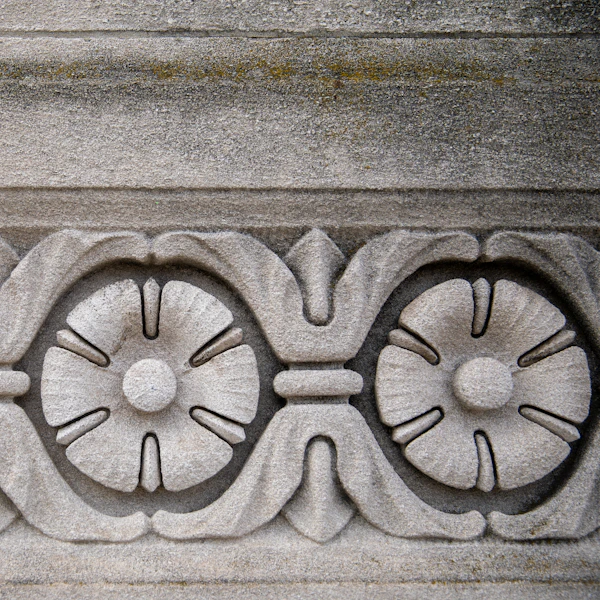
Glazed Finish
A thin glaze, often cream, white, or stone colored, that gives the surface a slight sheen.
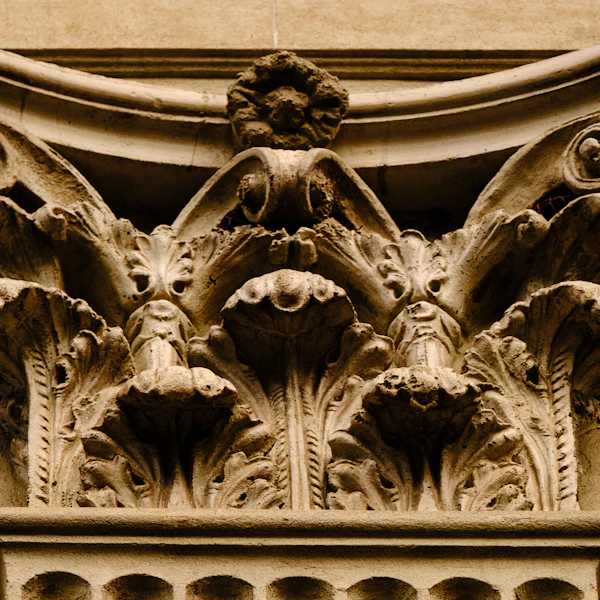
Hollow Sound When Tapped
Units are hollow clay boxes, so they sound different from solid stone.
New York City Terra Cotta Repair Under Local Law 11 Explained
Terra cotta facade repair addresses the cracked, spalled, and loose units in a Local Law 11 report, along with the anchors that hold them. Each unit is a hollow clay shape with a glazed face, hung on iron or steel anchors tied to the building frame. Once water passes through crazed glaze or open joints, the anchors rust and crack the units from inside.
Because terra cotta often sits high up on cornices and parapets, loose units are a falling hazard and are usually rated Unsafe. Repair choices range from patching and pinning to full unit replacement in new terra cotta or an approved substitute.
Common Local Law 11 Findings on Terra Cotta Facades NYC
Crazed glaze that lets water into the clay body.
Spalled glaze and clay at edges and projecting ornament.
Open joints at wash surfaces and cornice tops.
Cracked units over corroded iron anchors.
Loose or displaced cornice units at the roof line.
Inside a NYC Terra Cotta Facade
Terra cotta is a cladding hung on the building, not a solid wall. Its strength depends on hidden anchors and on joints that keep water out.
- Glazed Terra Cotta UnitThe visible hollow clay piece with a glazed face.
- Mortar JointsJoints between units that must stay sealed, especially on top surfaces.
- Iron or Steel AnchorsHooks, rods, and straps that tie each unit to the frame.
- Fill or Brick BackingBrick or mortar packed inside and behind the unit.
- Steel Building FrameThe structural frame that the anchors are attached to.
How We Repair Terra Cotta Facades in NYC
Terra cotta work starts with stabilizing loose units, then moves to permanent repair.
Pinning Cracked Units
We drill and pin cracked units back together with stainless steel and epoxy.
Spall and Glaze Patching
Small spalls are rebuilt with compatible patching mortar and a matching coating.
Anchor Replacement
Rusted anchors are exposed, removed, and replaced with stainless steel anchors.
Terra Cotta Unit Replacement
Units beyond repair are replaced with new terra cotta or an approved cast substitute.
Inside a New York City Terra Cotta Unit
This cutaway shows the four parts of a typical terra cotta unit on a New York City cornice. Damage almost always starts where water reaches the anchor.
- Glazed FaceThe fired glaze, also called the fireskin, that sheds water when intact.
- Hollow Cells and WebsClay walls inside the unit that keep it light but can hold water.
- Anchor Slot and HookA hole or slot where an iron hook ties the unit to the frame.
- Mortar Bed JointThe joint that seats the unit and seals it to the units around it.
Matching NYC Terra Cotta Color and Profile
Replacement terra cotta has to match the original shape and glaze. We take profiles and color samples from the existing units, and new pieces are molded and glazed to match. Where an approved cast substitute is used, it is colored and finished to blend with the original units around it.

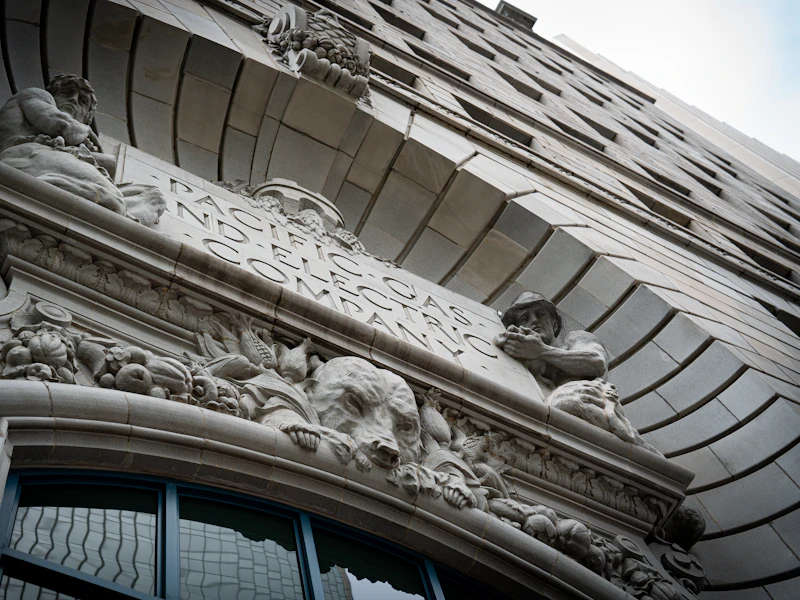
Cornice Access and Protection for Terra Cotta Work NYC
Most terra cotta work happens high on the building, so protection and access are set before any unit is opened.
Sidewalk Sheds Below
We protect the sidewalk with our own sheds as soon as loose units are found.
Scaffolding to the Cornice
Our scaffolding brings crews safely to cornices and parapets.
Netting Loose Ornament
Loose pieces are netted or removed right away while repairs are prepared.
Send Your Terra Cotta Inspection Report
Send the FISP report and photos of the terra cotta. We review each listed unit and reply with a free repair scope.
What Affects the Cost of Terra Cotta Repair in NYC
Terra cotta projects vary widely in size. These factors shape the scope the most.
- How many units can be pinned and patched in place
- Number of new units that must be molded and glazed
- Anchor replacement behind cornices and ornament
- Height of the work and the access it needs
- Landmarks review on designated buildings
NYC Terra Cotta Facade Repair FAQs
Most cracks start at the anchors. Water enters through crazed glaze or open joints, the iron anchors rust and swell, and the swelling cracks the clay from inside.
Many units can be pinned and patched. Units with severe cracks, large missing pieces, or failed anchors that cannot be reached are replaced.
New terra cotta made from molds of the original is the closest match. In some cases approved cast substitutes are used when they match the profile, color, and finish.
Usually, because replacement units must be molded, fired, and glazed. Temporary stabilization keeps the building safe while new units are made.
Yes. Loose pieces are netted, secured, or removed by hand as soon as access is up, and the sidewalk shed stays in place.
Yes. Terra cotta buildings are common in Manhattan and in parts of Brooklyn and the Bronx, and we serve all four of those areas plus Queens.
Other NYC Facade Types We Repair
Repointing, lintels, shelf angles, and wall ties.
Spalled glazed units and trapped moisture.
Limestone, brownstone, and granite repairs.
Panel joints, cracks, and hidden connections.
Spalls, rebar, balconies, and railing posts.
Cracked, bulging, or wet stucco and EIFS.