Brick Masonry Facade Repair NYC
Cracked mortar, bulging brick, and rusted lintels are the conditions Local Law 11 inspectors flag most on New York City brick buildings. We repoint, rebuild, and replace steel behind the brick so your inspector can sign off on the amended report.
How to Identify a Brick Masonry Facade in NYC
Brick is the most common facade on older NYC apartment buildings, from six story walk-ups to prewar elevator buildings. These three signs tell you the wall is solid brick masonry and not a thin brick veneer or a painted surface.

Small Units in Mortar Joints
The wall is made of hand sized clay bricks, usually red, brown, or buff, set in lines of mortar about 3/8 inch wide.
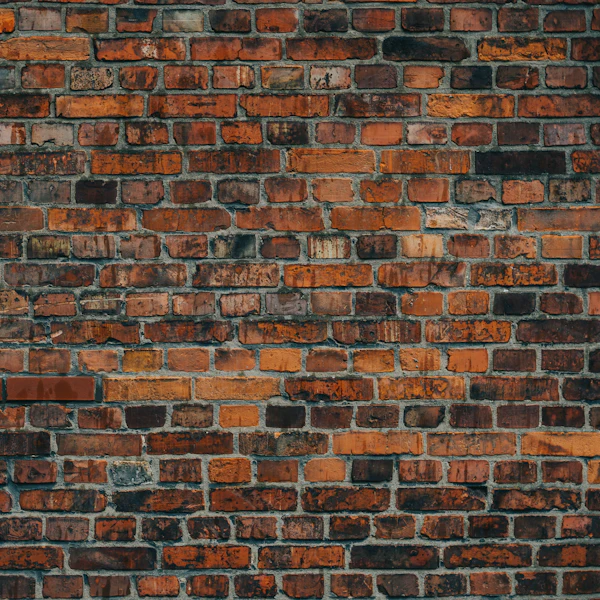
Header Bricks in the Pattern
Every few rows you see bricks laid short end out. These headers tie the outer layer of brick to the layers behind it.
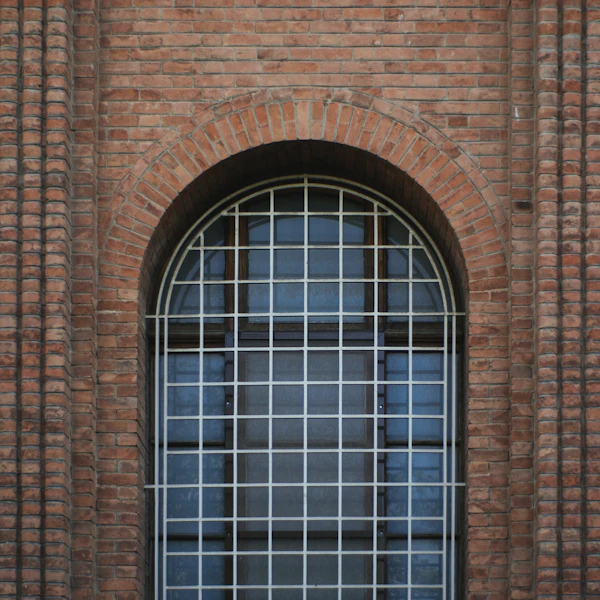
Arches and Lintels Over Windows
Openings are spanned by brick arches or by steel lintels hidden behind a row of brick, which is where cracks often start.
Brick Facade Repair Under Local Law 11 New York City
Brick masonry facade repair is the work that fixes the brick conditions listed in your Local Law 11 report. On a typical NYC brick building that means cutting out and repointing failed mortar joints, replacing cracked or loose brick, rebuilding bulged sections, and repairing the steel lintels, shelf angles, and wall ties that hold the brick in place.
Unsafe brick conditions need a sidewalk shed right away and are due within 90 days of the report filing, unless the DOB grants an extension. SWARMP brick items can wait until the next inspection but get more expensive the longer water gets in. We price and schedule each listed item separately, so you can see which repairs clear the Unsafe rating first.
Common Local Law 11 Findings on NYC Brick Facades
Eroded or hollow mortar joints that let rain soak into the wall.
Stair step cracks running through the mortar around windows and corners.
Horizontal cracks above windows caused by rusting steel lintels.
Bulging or displaced brick at floor lines over corroded shelf angles.
Loose or leaning parapet brick at the roof edge.
Inside a NYC Brick Masonry Wall
Most brick facades in New York City are several layers of brick thick, or a brick face tied to a backup wall. Knowing what sits behind the face explains why a crack on the outside can mean a steel problem inside.
- Face BrickThe outer layer you see from the street. It takes the weather and shows cracks first.
- Mortar JointsThe sacrificial part of the wall. Joints wear out and get repointed every few decades.
- Wall Ties or HeadersMetal ties or header bricks that hold the face brick to the backup wall.
- Steel Lintel or Shelf AngleSteel that carries the brick over openings and at floor lines. Rust here pushes brick out.
- Backup WallInner brick, block, or concrete that supports the face and holds the ties.
How We Repair Brick Masonry Facades in NYC
Each repair below is matched to a condition in your report. Most brick projects use two or three of them together.
Brick Repointing
We cut out failed mortar to a sound depth and refill the joints with mortar matched to the original.
Brick Replacement
Cracked and spalled bricks are cut out and replaced with brick matched in size, color, and texture.
Lintel and Shelf Angle Repair
We open the brick, clean or replace rusted steel, add flashing, and rebuild the brick above it.
Wall Tie Replacement
Where ties have rusted away, we install new stainless steel helical ties through the face brick.
Hidden Steel Behind New York City Brick Facades
Many brick failures in New York City are really steel failures. These four pieces of steel are buried in the wall, and each one leaves its own pattern of cracks when it rusts.
Step 1. Steel Window Lintels
Angles that carry brick over windows. Rust swells the steel and lifts the brick above, leaving a horizontal crack and a bowed row of brick.
Step 2. Metal Wall Ties
Thin straps or wires that anchor face brick to the backup wall. When they rust through, the face can bulge outward with no crack at all.
Step 3. Shelf Angles at Floor Lines
Ledges bolted to the frame that carry the brick at each floor. Without a soft joint below, expanding brick and rust crush the joint and crack the corner.
Step 4. Relieving Angles
Steel at the top of large openings and setbacks that takes load off the brick below. Corrosion here often shows as cracking at the window jambs.
Matching Brick and Mortar on NYC Facade Repairs
New brick and mortar should be hard to spot. We pull sample bricks, compare them to supplier ranges for size, color, and surface texture, and mix mortar that matches the original in color and joint profile. Older buildings get softer, lime rich mortar so the new joints do not crack the old brick.

Sidewalk Sheds and Scaffolding for Brick Facade Work NYC
Brick repairs at lintels and shelf angles happen at every floor, so the access plan matters as much as the masonry.
Sidewalk Shed Protection
We install our own sidewalk sheds the moment an Unsafe brick condition is reported.
Pipe Scaffolding We Own
Our scaffolding lets crews reach every lintel and floor line without a rental wait.
DOB Work Permits
We file the permits and keep the work, sheds, and paperwork in line with DOB rules.
Send Your Brick Facade Inspection Report
Upload your FISP report and a few photos of the brick. We review every listed condition and send a free repair scope.
What Affects the Cost of Brick Facade Repair in NYC
We do not list prices because no two brick walls fail the same way. These five factors move the number most.
- How many linear feet of joints need repointing
- Number of steel lintels and shelf angles that must be opened
- Matching rare brick colors or custom mortar
- Height of the wall and the access it needs
- Parapet rebuilding at the roof edge
Brick Masonry Facade Repair NYC FAQs
Good mortar lasts roughly 25 to 30 years on an exposed NYC wall, less on parapets and at corners. Your Local Law 11 inspector will note open or eroded joints long before the brick itself fails, and repointing at that stage is the cheapest fix.
A horizontal crack or a lifted row of brick above a window usually means the steel lintel behind it is rusting. Rust takes up several times more space than the steel, so it pushes the brick up and out. The fix is opening the brick, treating or replacing the lintel, adding flashing, and rebuilding.
Often yes. If the bulge comes from failed wall ties, we can pin the face back with new helical ties. If it sits over a rusted shelf angle, that section has to be taken down, the steel repaired, and the brick relaid.
We match color and joint profile from samples and use a lime based mix on older brick. A sample panel is set up for your approval before full repointing starts.
Yes. Parapets are part of the facade, and loose or leaning parapet brick is one of the most common Unsafe findings. We rebuild parapets with new flashing and coping so water stops getting into the wall.
Yes. We repair brick facades across New York City, including Manhattan, Brooklyn, Queens, and the Bronx.
Other NYC Facade Types We Repair
Spalled glazed units and trapped moisture.
Limestone, brownstone, and granite repairs.
Cracked units, rusted anchors, and cornices.
Panel joints, cracks, and hidden connections.
Spalls, rebar, balconies, and railing posts.
Cracked, bulging, or wet stucco and EIFS.